Patent Search for an Invention: How to Find Prior Art Before Filing
Tags:Prior ArtPatent Application
Learn how to conduct a patent search for an invention, find relevant prior art, and evaluate results before filing.
Read More
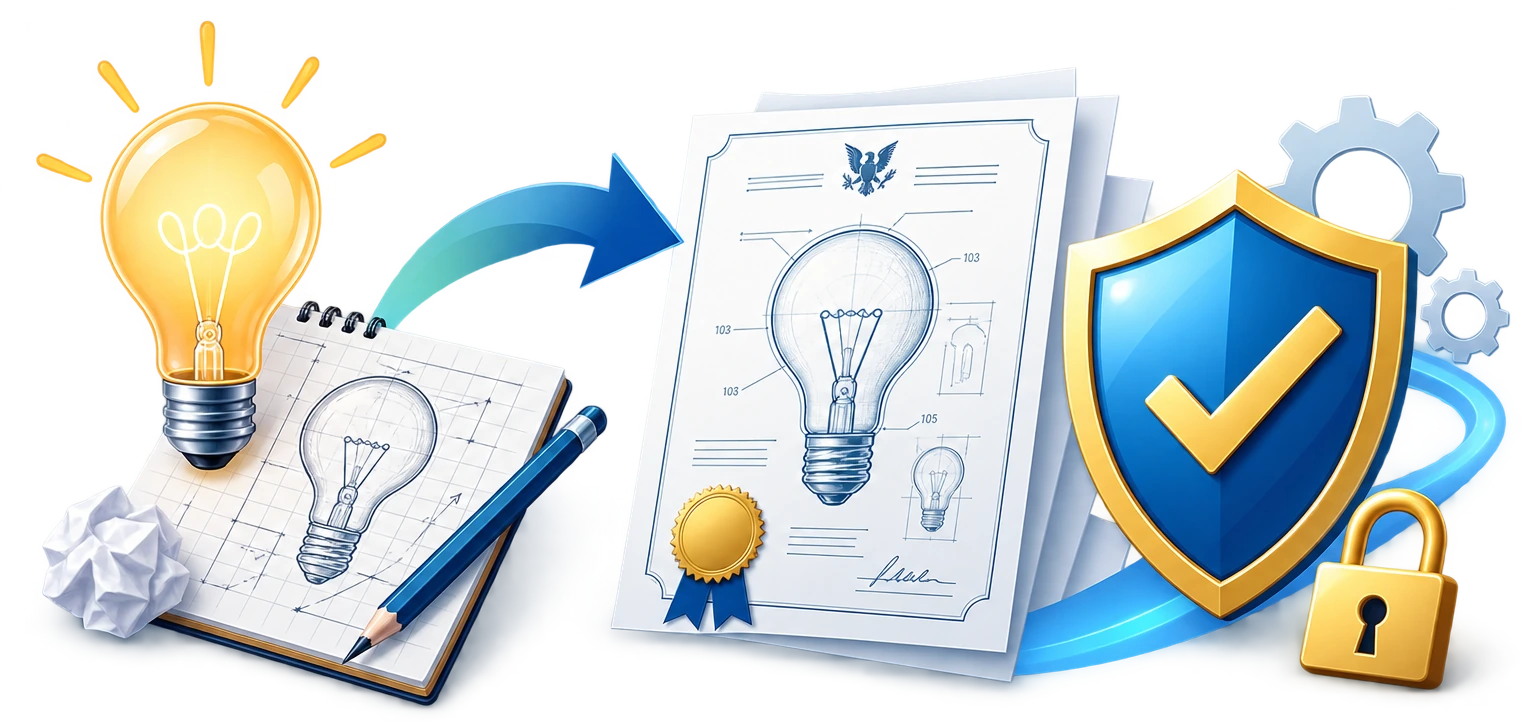
Learn the 7 steps from developing your invention through filing and USPTO examination.
Read Guide →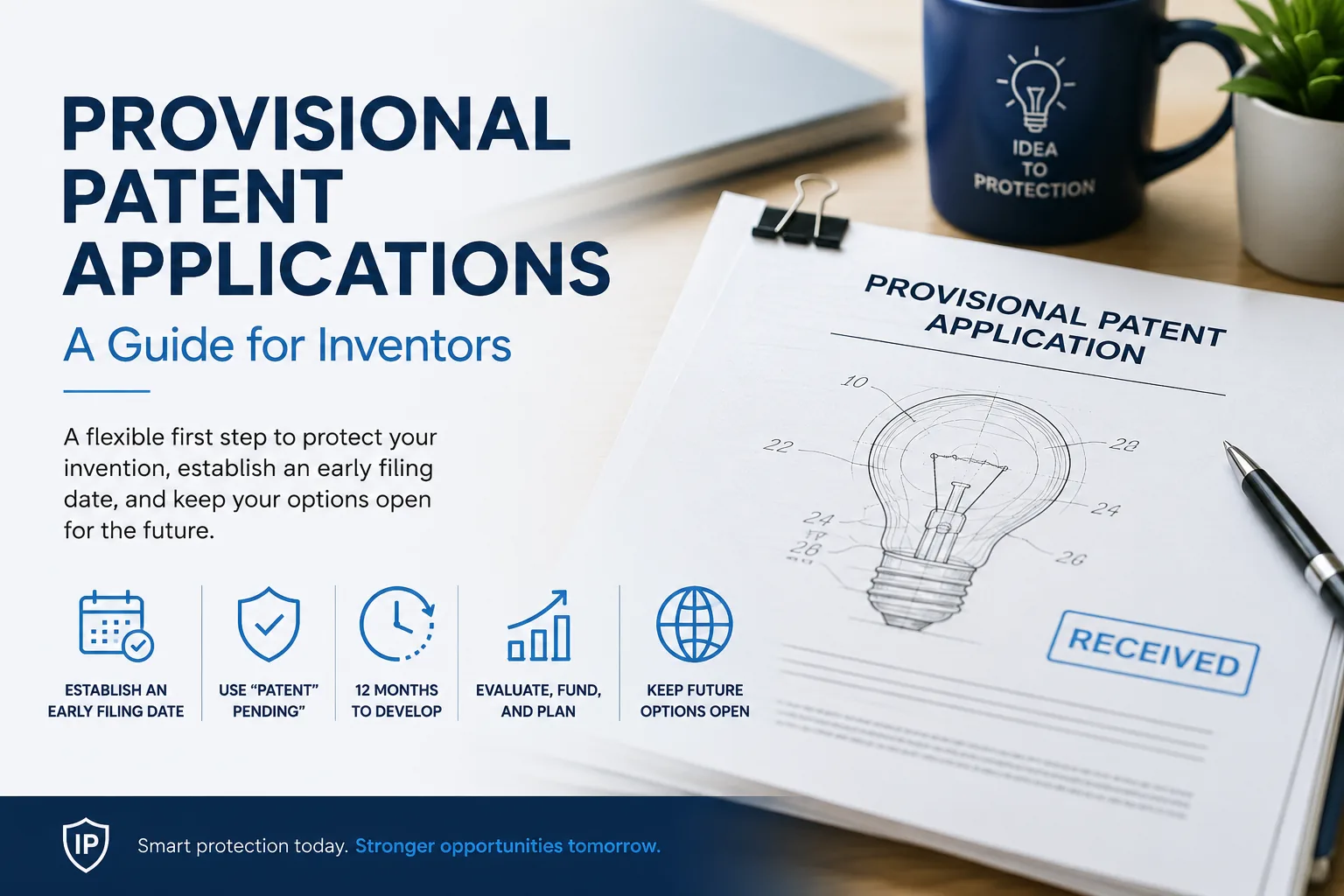
Learn how provisional patent applications work, what they should include, and how they can establish an early filing date while providing 12 months to develop your invention.
Read the Guide →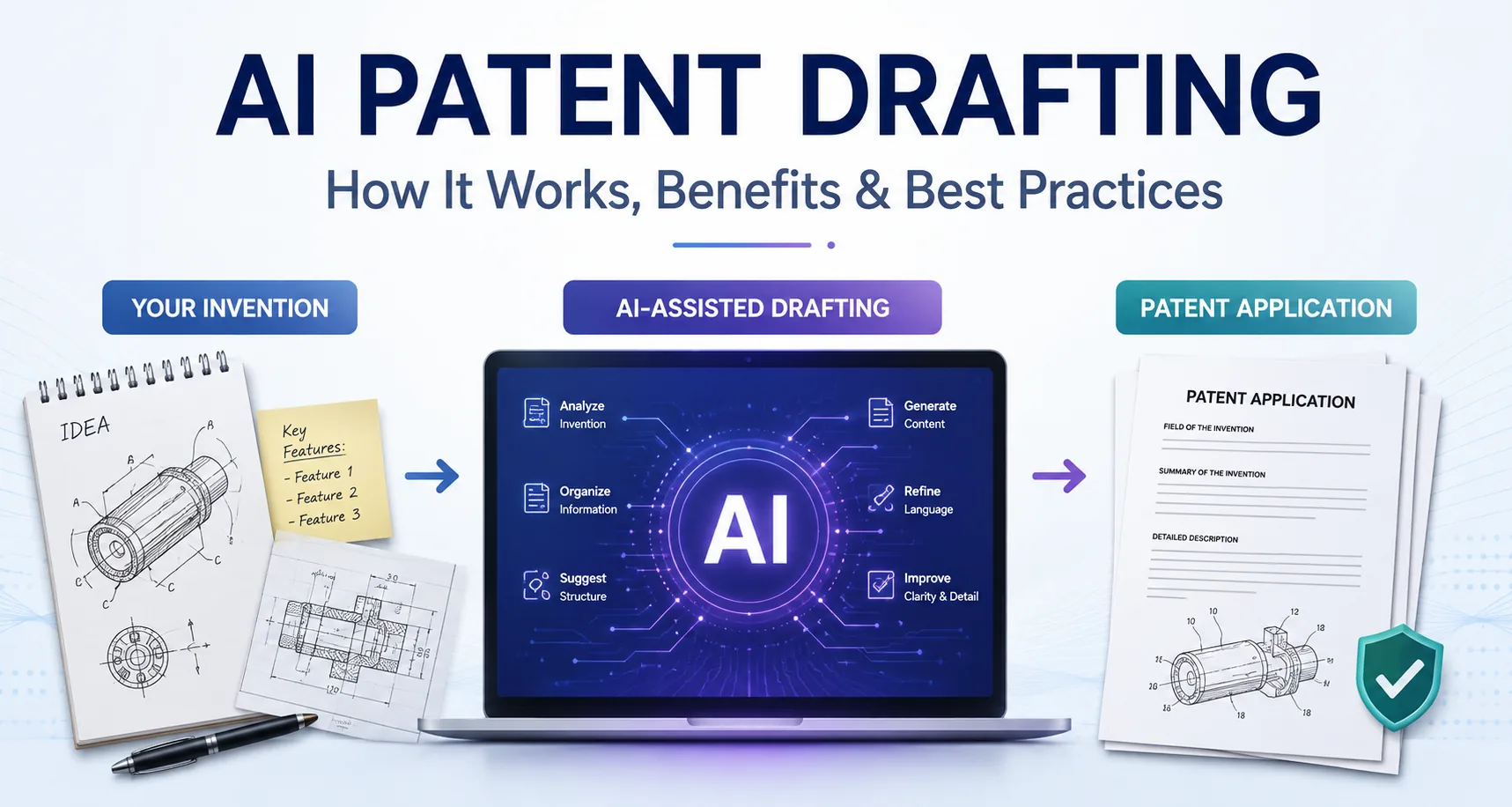
Learn how AI patent drafting works, where AI can improve the patent-drafting process, and what to consider when using general-purpose or patent-specific AI to prepare a patent application.
Read the Guide →
Learn how to obtain patent pending status, how long it lasts, its benefits and limitations, and the common mistakes inventors should avoid.
Read the Guide →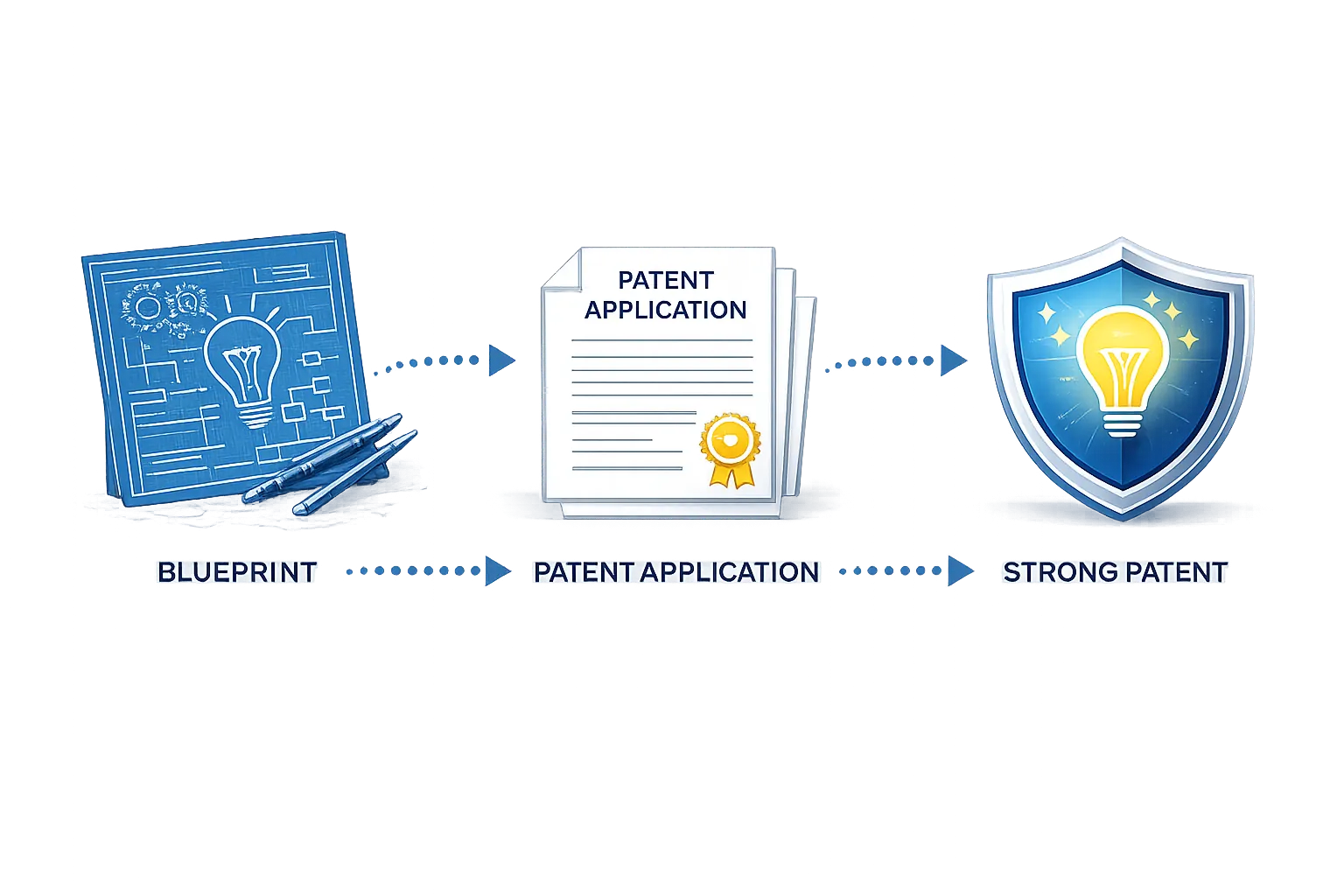
Discover the key features of a strong patent application, including comprehensive technical detail, multiple embodiments, strategic claim support, and technology-specific drafting.
Read the Guide →Learn to file a provisional patent using AI. Discover how AI patent drafting tools help inventors and startups get patent pending status quickly and affordably.
Explore 15 key benefits of filing a provisional patent application that can strengthen your legal position and enhance your business strategy.
Learn common mistakes made by inventors when attempting to draft and file a provisional patent application pro se (and how to avoid them).
Learn how AI-powered patent drafting tools compare to traditional patent attorney services.
Explore different ways inventors reduce the cost of preparing a provisional patent application, including DIY drafting, pro bono programs, and AI-assisted tools.
Learn how to file a provisional patent application on your own—step by step—including what's required, common mistakes to avoid, and when DIY filing makes sense.
Follow this do-it-yourself (DIY) guide to draft a patent application for a software or computer-implemented invention.
An overview of USPTO provisional patent applications, including purpose, requirements, priority benefit, and key limitations.
An overview of what "patent pending" means under U.S. patent law, including its legal effect, common misconceptions, and practical implications.
Explores the growing use of generative AI tools by non-attorneys to assist with drafting legal documents.
Explores the ability of generative AI tools to draft patent applications effectively.
Learn how to create a provisional patent application template that preserves your priority date.
See what a strong provisional patent application looks like, with section-by-section examples and explanations.
Learn how much a provisional patent typically costs, including USPTO filing fees and application preparation fees.
Learn what must be included in a provisional patent application to establish a valid priority date and satisfy USPTO requirements.
Learn about the risks of using ChatGPT, Claude, and other large language models (LLMs) to draft patent applications.
Compare the best AI patent drafting tools for inventors and patent attorneys.
Learn how to conduct a patent search for an invention, find relevant prior art, and evaluate results before filing.
Read MoreDISCLAIMER NOTICE: The Idea2PatentAI blog is provided for informational purposes only. Idea2PatentAI is not a law firm and nothing on this website constitutes legal advice. Users are encouraged to consult with qualified patent attorneys or other legal professionals for legal guidance or questions.